
It Is ... itis!
Arthritis and the Power of Polyphenols

I wouldn’t call myself a fanatical athlete, but I enjoy sports, both watching it and working out a few times a week. One of the sports I regularly play is tennis. To my amazement, I often find myself sharing the court with septuagenarians and octogenarians who comfortably run me ragged and show me every corner of the court. Yet, as soon as the match ends and we sit down, the conversation invariably turns to the persistent pain in their joints. Several of them cope with arthritis daily.
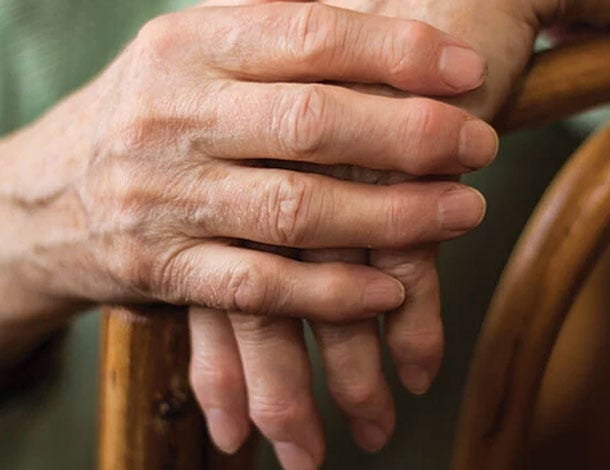
Arthritis (not to be confused with arthrose, which is the mechanical wear-and-tear of cartilage), is primarily driven by active inflammation within the joint capsule.
It is an -itis.
In the medical world, the suffix “-itis” signals a clear warning: inflammation. Whether it manifests as arthritis (joint inflammation), colitis (colon inflammation), or dermatitis (skin inflammation), these conditions share a common biological blueprint. They are driven by an overactive immune response, oxidative stress, and the chronic release of pro-inflammatory signaling molecules that can damage healthy tissues over time.
Polyphenols to the rescue
Managing these “-itis” conditions requires cooling the body’s inflammatory fires. This is where polyphenol-rich substances play a vital role. Found abundantly in green tea, turmeric, berries, dark chocolate and extra virgin olive oil, polyphenols are potent, plant-derived antioxidants that act as natural cellular shields. In some of my previous posts I have explained this in more detail, for example this one: The Mother of All Diseases
More than anti-inflammatory
While polyphenols are celebrated for suppressing itis-related symptoms, their true therapeutic potential lies in their ability to optimize the micro-environment required for actual tissue repair. Chronically inflamed tissues suffer from poor circulation and structural degradation. It takes a well-developed blood flow to deliver repair chemicals to areas such as joints, cartilage tissues and tendons. Polyphenols actively promote this by stimulating nitric oxide production, which helps to grow microscopic blood vessels and drastically improves blood flow. (This is also the reason why a polyphenol-rich diet helps to prevent injuries for athletes). This enhanced circulation delivers the vital oxygen and nutrients necessary for cellular healing. In other words, polyphenol-rich substances actively upgrade the body’s internal plumbing to support long-term tissue restoration.
So, if I ever want to beat the oldies at tennis, I should stop supplying my fellow players with that polyphenol-rich olive oil.